

UK/INTERNATIONAL. Sustainable plastic solutions for airports company Enviro-Point has announced a new partnership with pioneering British start-up Polymateria.
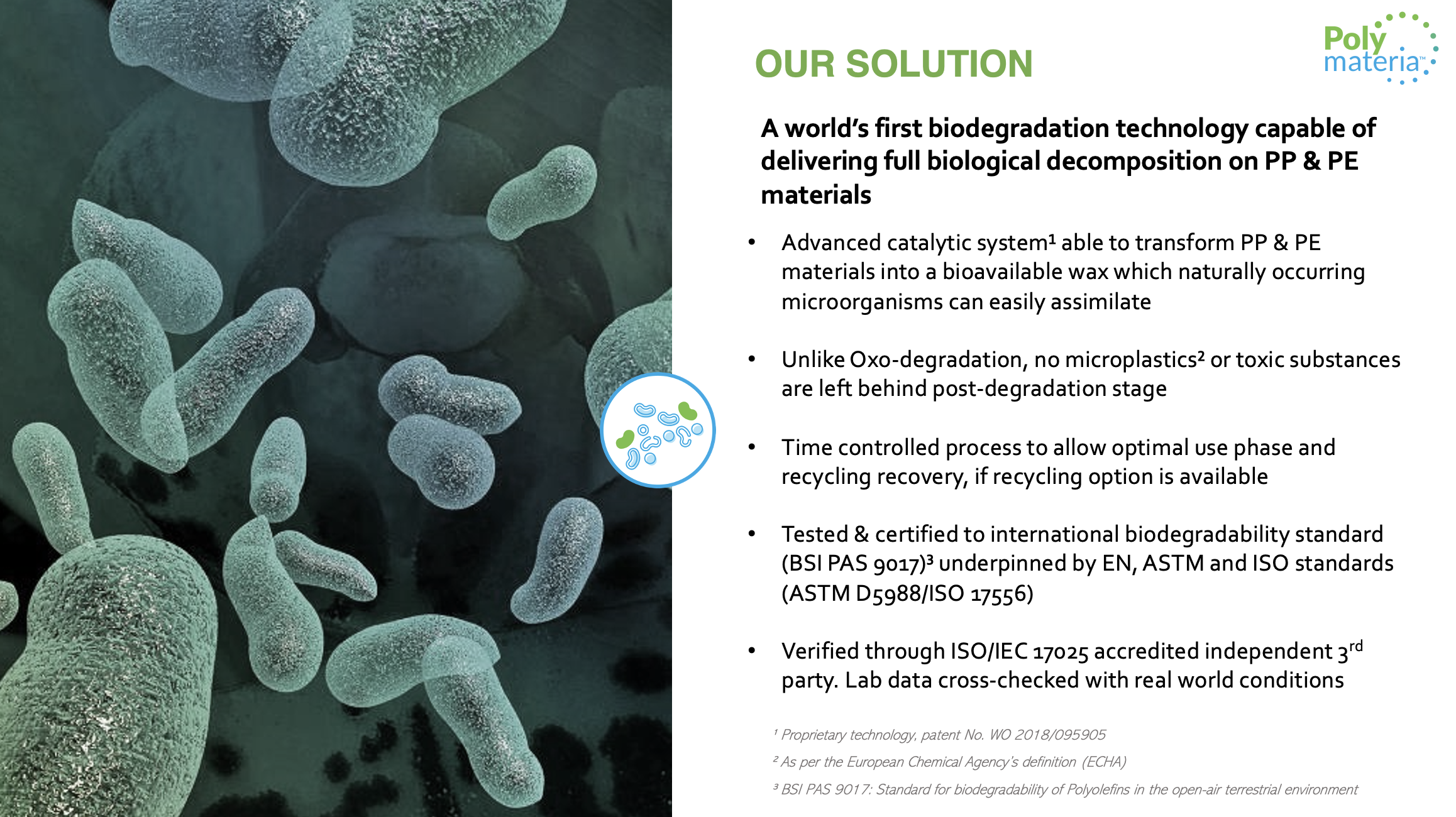
Polymateria claims to be the first company in the world to produce biodegradation technology that completely biodegrades plastic in the open environment at a low cost. It has appointed Enviro-Point to deliver its solution in the aviation space.
Cramlington, UK-based Enviro-Point is a sister company to Luggage-Point, which operates retail stores and provides services in 16 international airports. It is now seeking airport customers wishing to transform their approach to tackling the long-term harmful effects of plastic and related recycling issues.
The company noted that there are many areas in which harmful plastics are used in airports. It highlighted plastic uses such as liquid bags, Steb duty free bags, other shopping bags, pallet and bag wrapping, bin liners and cutlery where the Polymateria solution could be applied.
“Although there is much talk in the airport industry about sustainability, often the paths stakeholders take to be more environmentally-friendly are expensive, ineffective and contribute little to reducing carbon footprints. The solution we are offering in partnership with Polymateria is a game changer, offering value for money while making the ultimate contribution to sustainability.” – Enviro-Point CEO Graeme Stewart
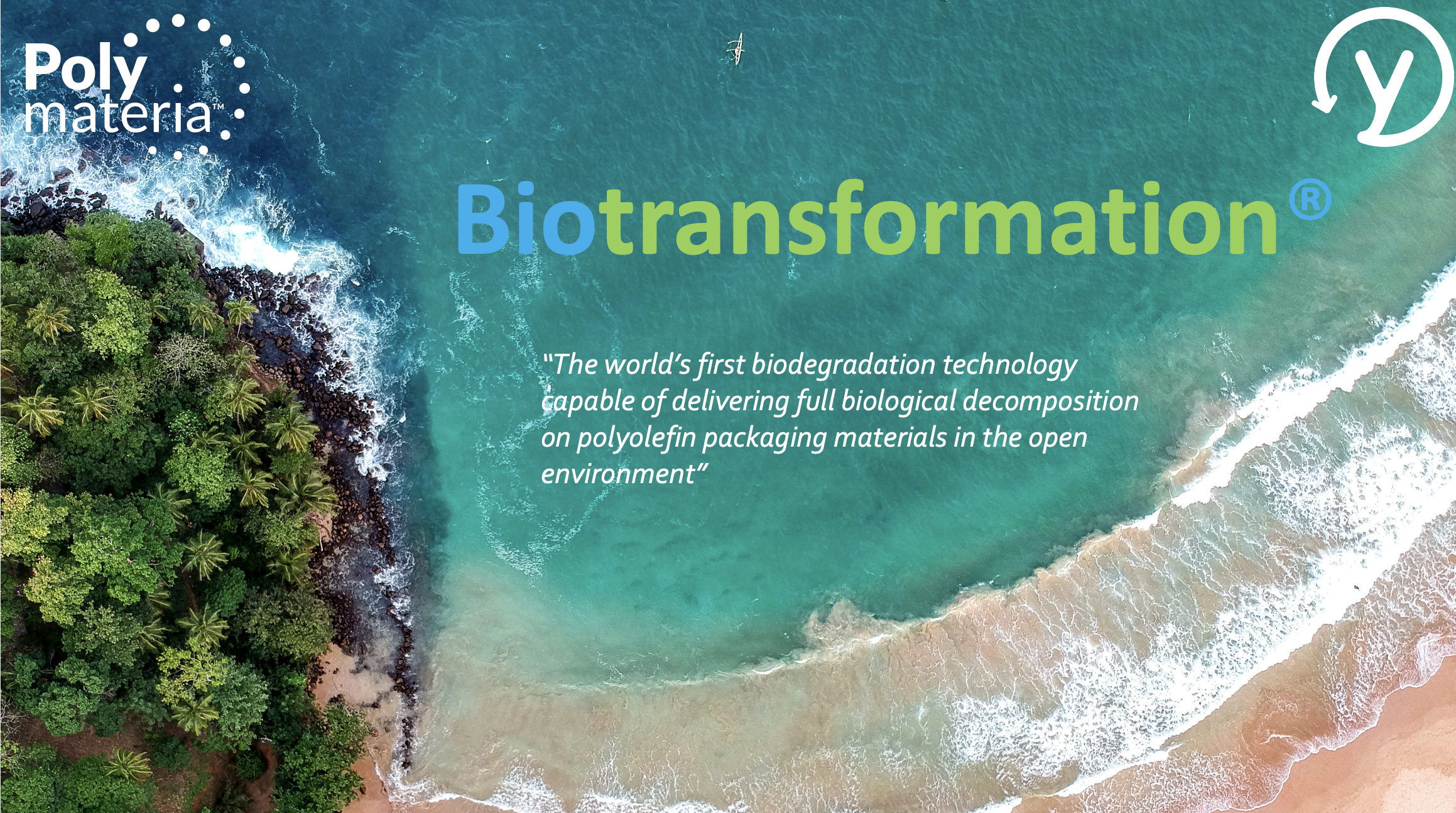
Polymateria came to international attention when its solution was recently showcased in products at COP26, having passed the British Standards Institute testing PAS 9017, which tests the biodegradation of polyolefins in an open-air terrestrial environment. Its technology is underpinned by EN, ASTM and ISO standards.
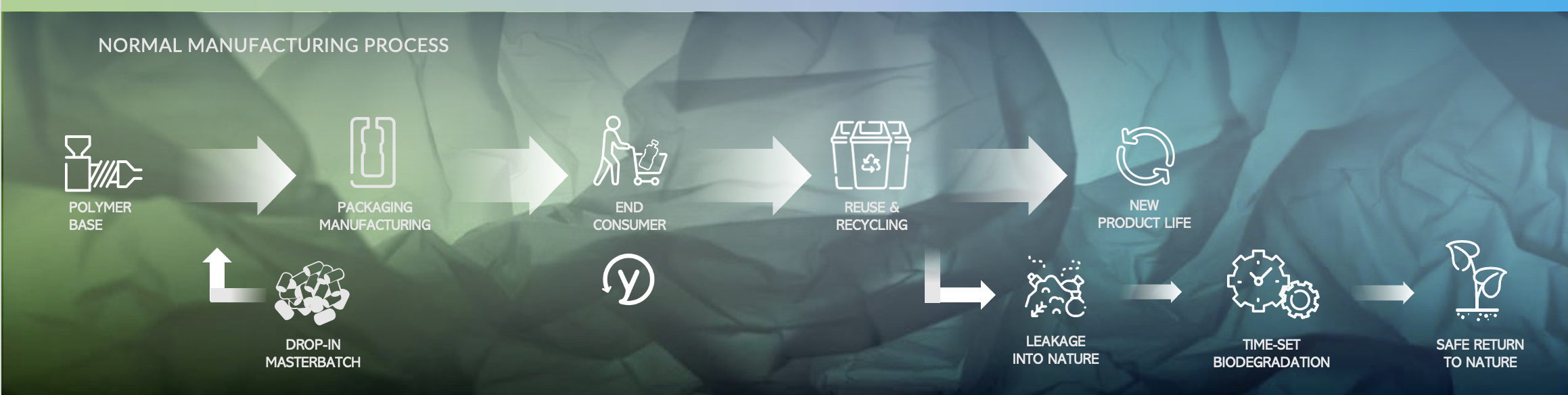
The Polymateria Masterbatch technology is added at the manufacturing stage of plastic which then over approximately two years turns into a wax-like material, meaning it is no longer plastic or harmful to the environment.
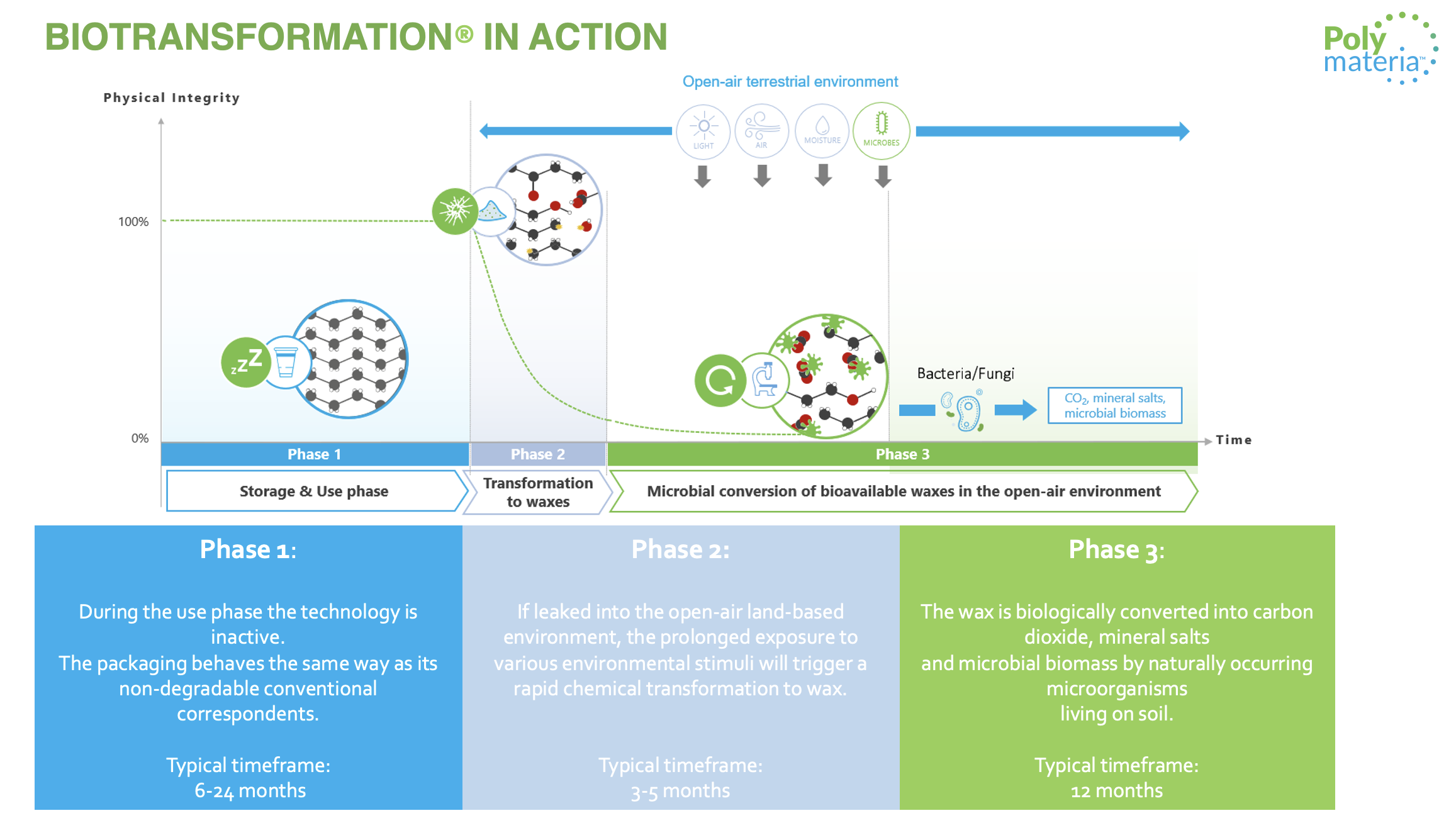
The product’s advantages include being relatively inexpensive to manufacture, its strength and durability, and its recyclable capacity. Crucially, it biodegrades completely if there are failings in the circular economy and the plastic ends up in the open environment.
Unlike the widely-used process of oxo-degradation of plastics, no microplastics or toxic substances are left behind post-degradation stage using Polymateria’s process. The controlled degradation process allows optimal use phase and recycling recovery.

Enviro-Point CEO Graeme Stewart said: “Although there is much talk in the airport industry about sustainability, often the paths stakeholders take to be more environmentally-friendly are expensive, ineffective and contribute little to reducing carbon footprints.
“The solution we are offering in partnership with Polymateria is a game changer, offering value for money while making the ultimate contribution to sustainability – eliminating the harm caused by traditional plastics and other solutions such as the frankly misguided use of paper bags as an alternative.
“We are very excited about bringing the Polymateria solution to the aviation industry. Airports can adapt their approaches to actually make sustainability a commercial model, and this solution is definitely an example of that.”
Taking the example of liquid security bags using Polymateria Masterbatch, Enviro-Point suggests that airports create dedicated ‘collection points’ for passengers to receive the bags.
Within this collection point, the typical clear Perspex charity boxes (similar to those that collect foreign currency) would be sited and branding would be emblazoned to highlight that a percentage of donations will go to a charity such as Save the Oceans.
The remaining percentage, he said, would go into providing a free of charge sustainable passenger solution involving Polymateria’s innovation.
Stewart reckons that airports will quickly find a large proportion of passengers prepared to donate more than the cost of a bag (e.g. £1). He suggests that a standard plastic liquid bag costs 1p per unit, while typically a sustainable liquid bag solution such as that developed by Polymateria costs up to 2p.
“Therefore, one passenger in donating that £1 would cover the equivalent cost of liquid bags for dozens of passengers, whilst also donating to an important environmental charity. In addition, the previous 1p per unit cost of a standard plastic bag is likely to be completely negated due to those donations.”
Speaking to The Moodie Davitt Report earlier today, appropriately on Earth Day (22 April), Stewart added: “Too often aviation stakeholders focus on implementing unrealistic sustainability gains – for example a sustainable aviation fuel. This approach completely ignores solutions which can make an immediate improvement to the environment, such as the adoption of the Polymateria solution to eliminate plastic waste and toxicity in airports.”
More information: contact Graeme Stewart at graeme@enviro-point.com