


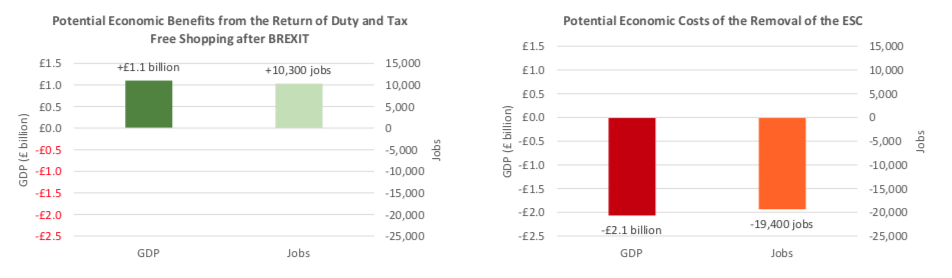
UK. Ending tax free sales at UK airports from 1 January will cost the UK economy £2.1 billion in GDP and will put 19,400 jobs at risk nationally. That’s according to a York Aviation economic impact assessment of the government decision announced abruptly on 11 September.
The move has already been signalled as a “catastrophe” by industry leaders. Many airport, retailer and brand representatives have signed a letter to UK Prime Minister Boris Johnson calling for a reversal of the decision.
Campaigners warn that in London airports alone, the combined impact of COVID-19 and the removal of the VAT airside exemption will result in losses of over £1 billion in operating profit and threaten thousands of jobs.
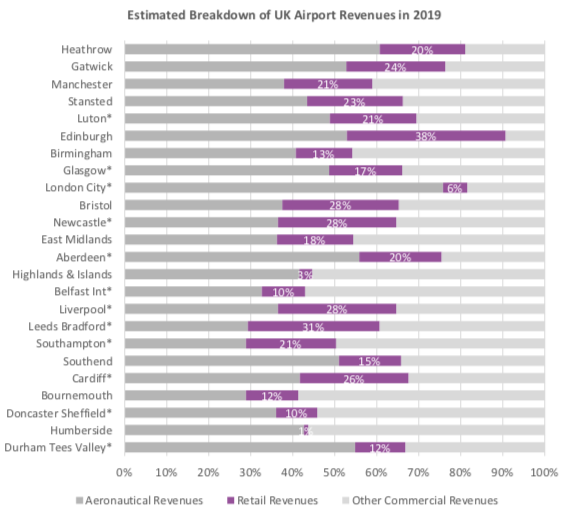
In a statement today, the UK Travel Retail Forum (UKTRF) said that the unexpected move negates the benefits of the Treasury decision to extend duty free sales on alcohol and tobacco for travellers to the EU post-Brexit.
It said: “In addition to unfairly increasing the cost of airside shopping for items such as perfumes, cosmetics and confectionery for British passengers travelling abroad, the policy is also out of touch with international standards. Industry has warned that it will undermine UK aviation competitiveness, with EU member airports gaining an overnight advantage over their UK counterparts, and could force smaller UK airports who rely on passenger retail out of operation altogether.
“With just three months to find an alternative source of revenue – at a time when air traffic is down by over -80% with little or no sign of improvement – some 35 businesses and operators across the UK airport sector have come together to urge the Government to reconsider.”
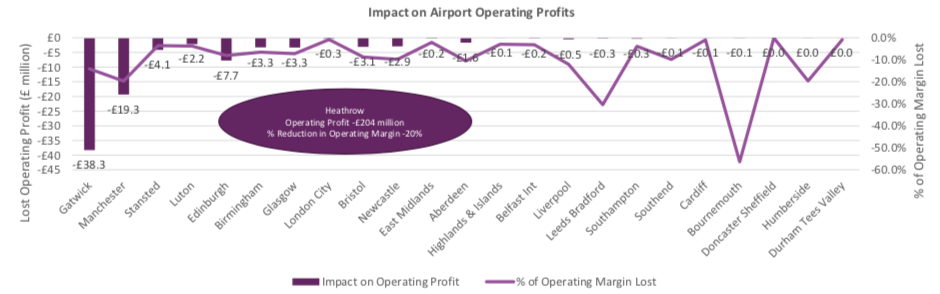
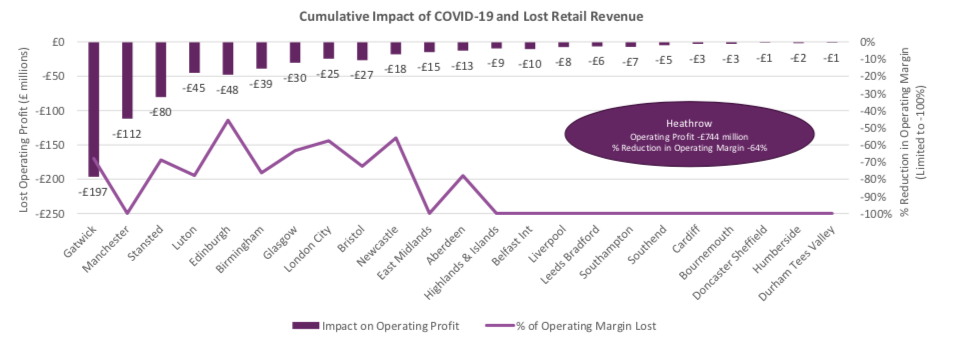
The York Aviation report highlighted what it termed “serious flaws” in the HMRC assumptions made in reaching this decision, intended as a cost-saving measure. Rather than bolstering Treasury coffers through the recovery of VAT in theoretical future sales, the move is likely to significantly reduce inbound tourism, traffic and sales, it said – a decision that “plays directly into the hands of EU airport and retail operators, who will be Europe’s cheapest shopping destinations for international tourists”.
UKTRF calculations suggest such a move would have the reverse impact of the current proposals, generating an extra £1.1 billion in Gross Value Add (GVA) and supporting more than 10,000 new jobs, most of them outside London.
UKTRF Chair Francois Bourienne said: “This decision puts the UK out of step with travel retail systems around the world, completely disincentivises tourists to visit the UK and British passengers making purchases as they go on vacation abroad, and puts UK airports and travel retail at a substantial disadvantage against their European counterparts after Brexit. This will lead to significant additional job losses in the travel industry.
“It may well be the best gift the UK could have given the EU as well as a massive blow for UK plc and we are dismayed at the lack of industry consultation before this decision was reached.
“In the more immediate term, this announcement deals a hammer blow to an industry already struggling with the devastating impact of the COVID-19 outbreak. Retailer and airport revenue will suffer, but most regrettably thousands more jobs and livelihoods will be wiped out in regions across the UK supported by the sector.
“While we are grateful for the government’s move to extend duty free sales to passengers travelling from the UK to the EU, we are extremely concerned that ministers have not fully appreciated the impact this decision will have on the wider travel retail and aviation sectors.
“We urge the government to immediately review its decision and act swiftly to ensure jobs, businesses and Britain’s place as a premier travel hub are not lost.”

Calls from the industry were backed by lawmakers across party lines in the UK.
Henry Smith, MP for Crawley and Chair of the Future of Aviation Group, said: “With our airports currently battling a challenge unimaginable only a year ago the Government must review and reverse this decision without delay. Aviation is vital to our long-term national economic recovery and we should be doing everything to support our world class aviation industry and measures like this will only delay and threaten that recovery. The Chancellor must reverse this ill-considered decision in order to support our beleaguered airports and to protect the jobs, businesses and communities that depend on a thriving aviation sector.”
Angus MacNeil MP (SNP), Chair of the International Trade Select Committee and Member of Parliament for Na h-Eileanan an Iar, said: “The Chancellor’s decision to remove the airside VAT exemption scheme will drain the life from the Scottish aviation sector. The last thing the Government needs to be doing at the moment is taking decisions that will cost jobs. Our economy is anaemic, it is a retrograde step which is going to cost airports a lot of money and directly affect livelihoods and communities. Industry and the SNP alike urge the Chancellor to think again, this is a time when the patient needs blood, not blood taken away from the patient.”
Sir Roger Gale MP (Cons), President of the General Aviation All Party Parliamentary Group, and MP for North Thanet, said: “I am very concerned that while the Chancellor is seeking to help tourism and aviation through extending the cut in VAT and to rebuild the economy we are proposing other measures including the abolition of VAT concession on airside sales that will damage aviation, ferries and tourism post-Brexit at the same time. I want our Government to reconsider this policy and work with these industries to further aid their recovery.”
*A link to the letter by industry leaders to UK Prime Minister Boris Johnson can be found here.