



As reported, Airports Council International Latin America (ACI LAC) and ASUTIL have called on Latin American governments to issue urgent financial relief to the airports sector and to business partners including duty free retailers amid the COVID-19 crisis.
The measures proposed include deferment of concession fees for airport companies, financial support for airports and their service providers to preserve liquidity, plus suspension of tax payments.
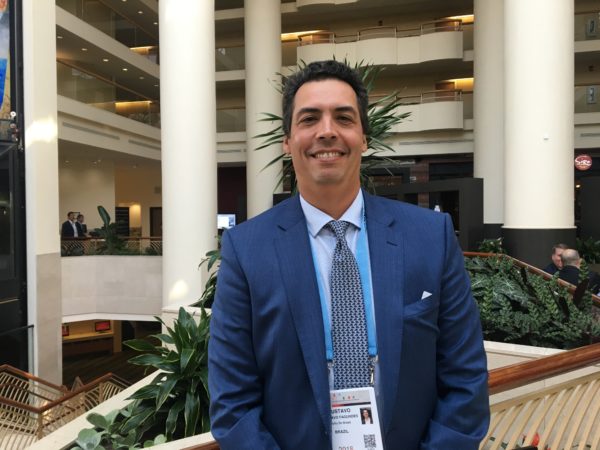
In an online briefing today, ASUTIL President Gustavo Fagundes said: “First, we must have a broader view than just travel retail. This is a wider industry issue. We have to influence governments to understand that travel is suffering more than the average [sector], and will come out of this later than the average. Tourism and travel is more impacted than other industries and solutions must be designed in a broader way.
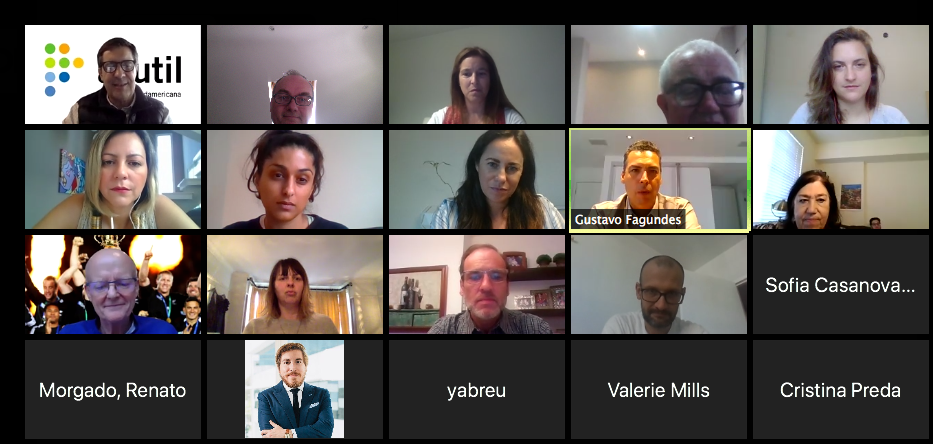
“Taking airports as an example, airport authorities have concession fees with governments. It’s clear we are in a force majeure situation where those fees should not be charged. Once they are not charged or if the airports receive a discount, it opens the way for travel retail to also get a discount. If the government doesn’t understand this in the first place it will be difficult for airports to give us this relief. In Brazil the government has accepted this force majeure situation and will offer relief to the airports. So this has to be a solution designed by the industry, by the eco-system, not by each sector in the industry.”
He added: “The second concern is to ensure we can keep our employees. There are some labour packages in place in some countries to help us retain jobs even in the crisis. We need these to be extended and we need flexibility so we can emerge from this crisis in good shape.
“The other points are deferral of federal taxes, important at a time when the flow of passengers is very low. And finally we need financial help for operators and suppliers. These are the key points and we are translating these to each country.”

Fagundes also underlined the potential of the online channel in assisting with recovery once it comes.
He said: “This is the time to show Customs that online will surely be key in recovery. It’s a safe channel, one that Customs can control. They know who is travelling, and they can oversee sales within the regulations.
“People may still not be comfortable in the airport environment, but if we can do this online, with home delivery for passengers, it will be an important step. It must mean that the structure of duty free is not changed. This is for people going through a store, is related to the concession fee, is accepted by Customs and delivered according to what is allowed. I believe this will be important in our recovery.”
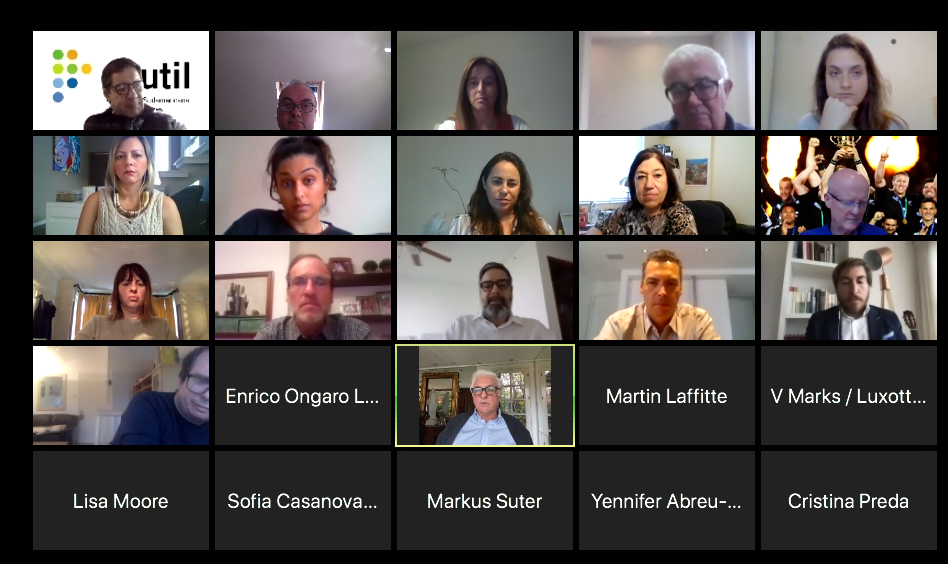
Underlining the scale of the crisis, ASUTIL Secretary-General José Luis Donagaray said that the only countries in the region with airports open were Brazil, Mexico and Chile, and in these locations traffic is down by -90%.
Donagaray reaffirmed that ASUTIL was working with its members and other industry partners both to ease the financial burden on retailers and to find short-term operational solutions that can maintain some business.
He said: “We don’t know when connectivity will return, what air tickets will cost or who will want to fly to other parts of the world even at the end of the year. Travel as an industry has received the biggest hit of almost any industry. It is complex but we are working day by day and trying to find solutions and new ideas that we can share with governments.
“But we have good arguments. We are part of the tourism business, and airports and border shops offer employment and their people pay taxes.”
Donagaray also said that ASUTIL continues to plan its November conference for the border store business, with dates of 5-6 November pencilled in. The event is currently planned for Foz de Iguacu, close to the Iguacu Falls.
A highlight of the briefing was a stirring contribution by Dr Roberto Canessa, the distinguished cardiologist who was among the 16 survivors of the Uruguayan plane that crashed high in the Chilean Andes in 1972 when he was 19 years old. The survivors, initially given up for dead, were found ten weeks after the plane crash. Canessa, along with Fernando Parrado, managed to find help after a ten-day trek through treacherous conditions to seek assistance. The miraculous survival of the passengers became an even bigger sensation at the time when it was revealed that they had been forced to eat the flesh of the deceased victims to survive.
Today, Canessa offered some inspiring (and humorous) views about the potential of humanity, relating his experiences in the Andes to challenging life and business situations.
“Time will mark the end of this [crisis] one day. Meantime we must nourish ourselves. We must take care of one another now. It’s about you. It’s your choice. This is an opportunity to help someone around you. It’s a moment as a human being to be closer to each other.”
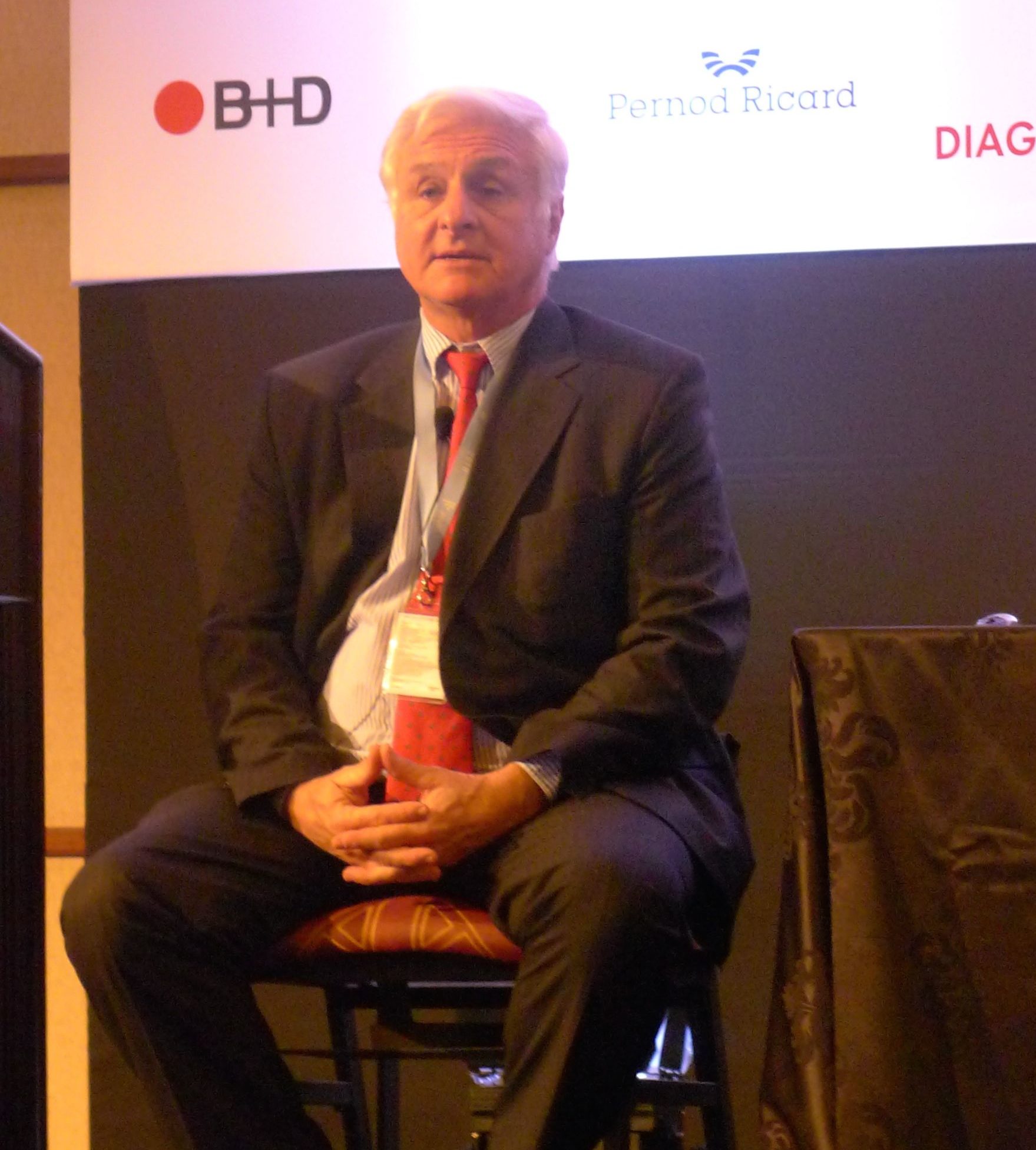
He added: “We must have constructive attitudes. During this crisis you must try to build something, just like we did in the Andes and here, everyone has a different part to play. We saved ourselves because we were a team, we worked together. It’s incredible how humans adapt to circumstances. Darwin recognised that those who adapt fastest will survive.”
For those concerned about the impact of crisis on their lives or on their families, Canessa said: “You must learn that things can get worse. You might imagine that this is the worst situation you can be in, like I did when I was in the heart of an avalanche. I thought if dying is like this, it’s not that hard. But then someone moved the snow off my face and I breathed again. I looked around at my dead friends and I had envy as they were not suffering any more. So from that moment I had nothing except life itself. That seed is what makes you go on.
“You must face things with a sense of humour; it is a way of facing up to things. The life we have now is the best life, as it’s the only life.
“For at least half the day forget about coronavirus. Do something different, paint something, go out to your farm, open a book, or you will go crazy. We are spoilt by the idea that we cannot get out or we have lost our liberty. People ask me if this situation is like being trapped in the fuselage in the Andes. I tell them that people today living in a 60sq m apartment with a family and TV are living in a ‘five-star fuselage’.
“We must work harder to be brave and show solidarity. If you are going to die, die with your soul happy, doing what you could do.”