

GERMANY. Gebr Heinemann today outlined how it is responding to the COVID-19 crisis, noting that it presents “great financial challenges” to the family-owned business.
The travel retailer and distributor has taken steps to address its high fixed cost base by introducing shorter working hours while postponing capital projects and negotiating terms with airport partners (see below).
It also continues to take a long-term view of the business, saying, “As a family business, we think in generations, not quarters. This long-term perspective determines our business activities. In the 140 years of its existence, Gebr Heinemann has already experienced numerous crises: economic crises, epidemics, the consequences of the attacks of 11 September and a cloud of volcanic ash.”
Underlining the severity of the challenge, a Heinemann statement said: “The dramatic collapse of the travel market means that our company is currently having to cope with high turnover losses every day. Our fixed costs are practically no longer offset by income. The entire travel and tourism industry has been directly and massively affected by the crisis and will have to struggle with the effects for longer than other industries. A large number of sectors have been severely affected, including airlines, airport operators, cruise lines, tour operators, hotel companies and also we as a travel retailer.”
The company introduced a range of measures at an early stage to reduce costs and ensure liquidity. Within this, personnel costs were an early priority.
Since the beginning of April, 2,700 employees in Germany have been on short-time working. Gebr Heinemann said that it was aiming to avoid lay-offs due to operational reasons.
Other measures include postponing capital expenditure and operating expenses, reducing current assets and entering negotiations with airports over its contracts. The company noted that it “generates a substantial part of the income of airport operators. To return to our former strength in the medium term, cooperation between airports, retailers and brands is needed.”

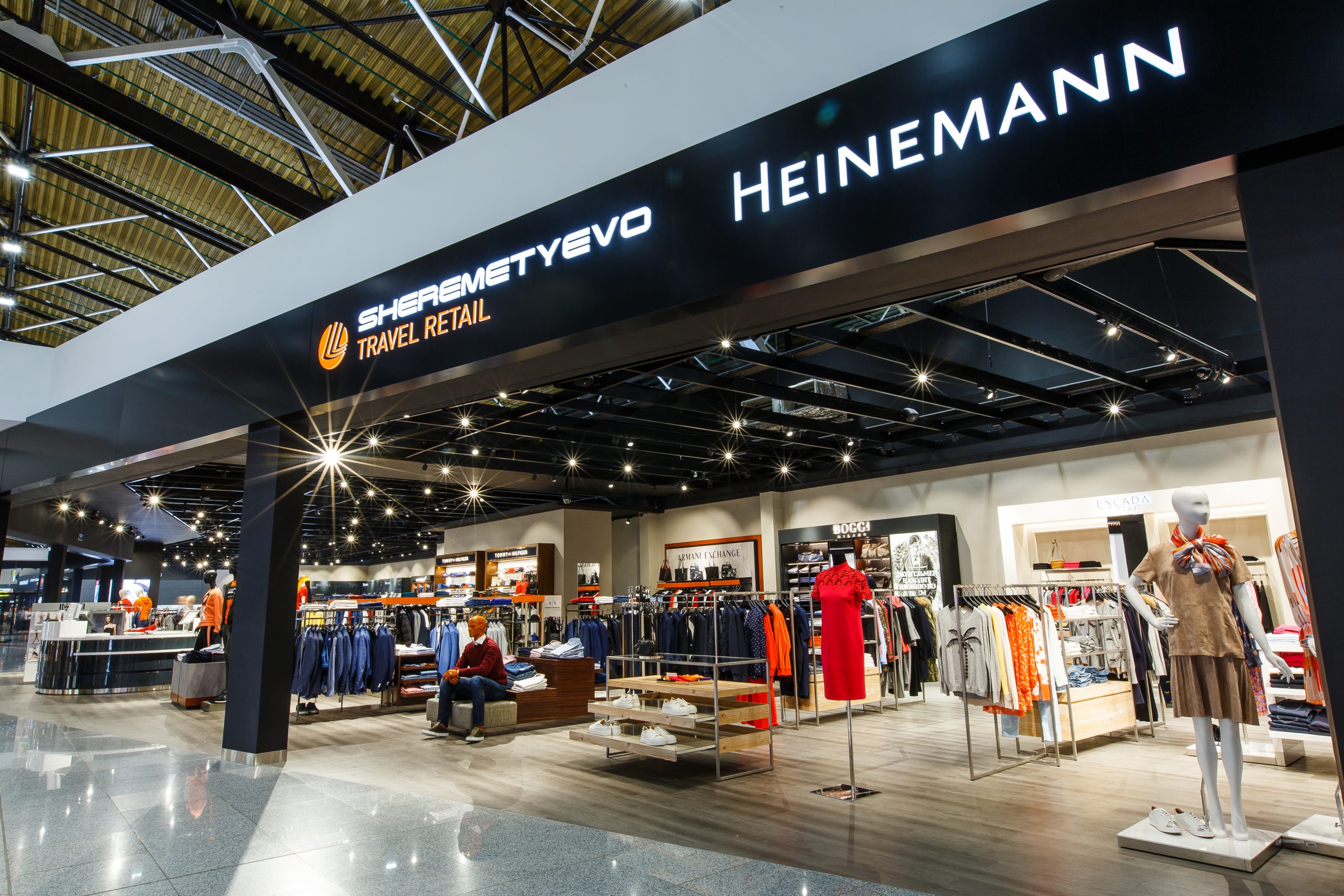
Above all, the uncertainty about the sustained impact of COVID-19 sets it apart from previous crises, the company said.
“Thanks to our solid economic performance in the past, we are relatively well positioned. However, the current crisis cannot be compared with previous crises, as it occurs worldwide and it is not foreseeable how long it will take to overcome it. Any recourse to further government support depends on the duration of the crisis. We do not yet know what decisions governments will take in the near future and how global mobility will develop.”
The company said that it would take time for travel retail to start up again, with a ramp-up likely to take “several months”.
It concluded: “Whether there will be a return to normality, we cannot say today. For Gebr Heinemann, the year 2020 will be characterised by high financial losses. However, the duration of the crisis is decisive for assessing the long-term economic effects. The unpredictability of its end also makes a reliable estimate for our company extremely difficult at present.”